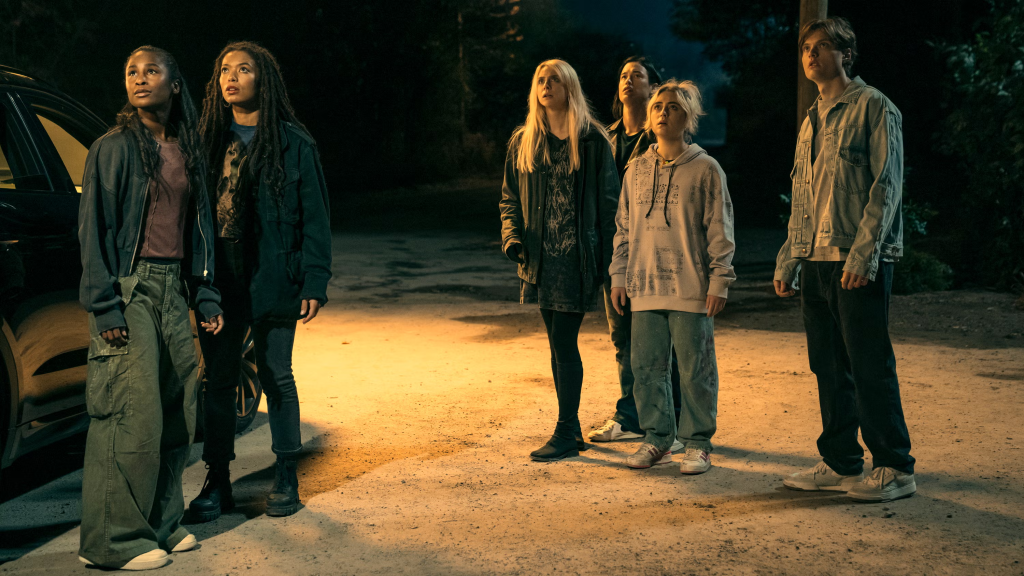
Trailer:
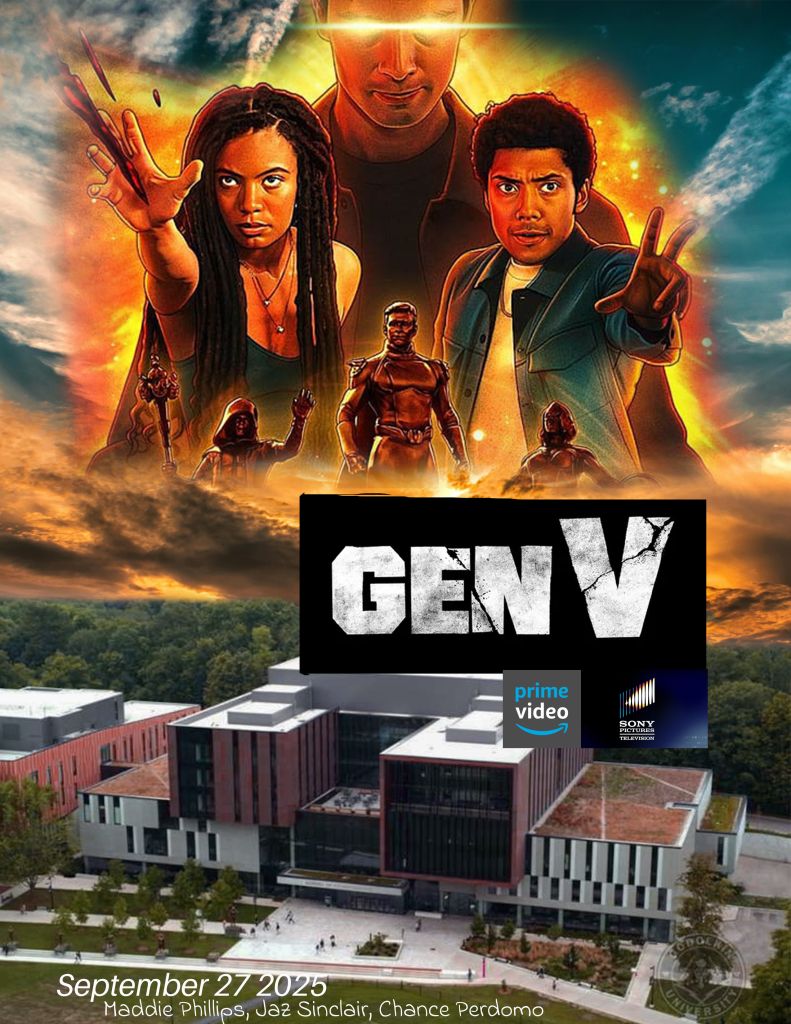
The new season follows Marie, Jordan, and Emma being bailed from the secret jail designed from after being accused for the massacre in the campus at the end of season one.
As a spin-off of “The Boys”, the TV show plays around with the “Squad” team returning to Godolkin University aside of the main storyline, and uncovering the background of the school’s purpose of establishment. The same violent theme and striking twists remain iconic for this superpower series and contributed to the ongoing plot for the nest season of “The Boys” that expands the prespectives to the younger generation of “supes”, linked to the the conflicts within the group and further, exacerbrating between the organization behind in the darkness.
In this column, we will go through the whole newly-released 8 episodes coming up. Follow along for more and stay tunned!
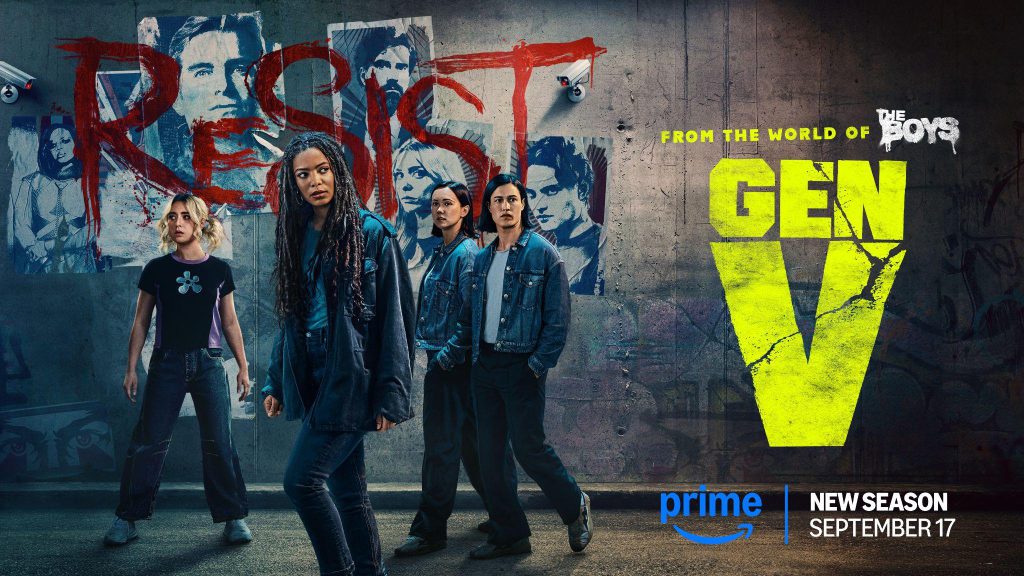
Gen V Season 2: Power, Responsibility, and the End of Innocence
Season 2 of Gen V marks a decisive shift in the series’ identity. If the first season examined how young supes are shaped by ambition and institutional pressure, the second interrogates what happens after belief collapses—after students realize the system training them is not merely flawed, but actively exploitative. No longer a story about who deserves power, Season 2 becomes a meditation on who survives power, and at what moral cost.
A list of incident: Jordan Li openly claimed her guilty on attacking Cate at the shop……
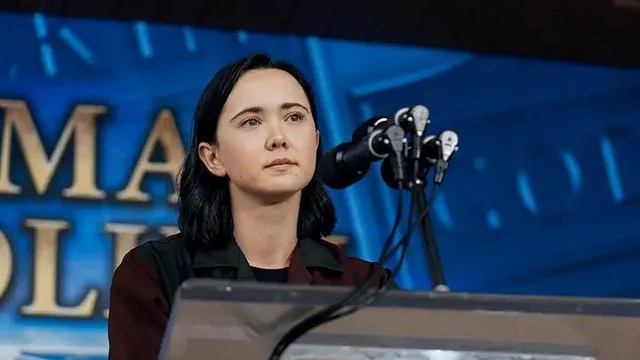
At the heart of the season is Godolkin University’s transformation. Once framed as an elite academy with corrupt underpinnings, it now functions openly as a mechanism of containment and control (also reflected as Godlkin’s power) It played around with Godolkin pushing Marie to her potential, in order to fulfill his ambition to take control over the other experiment sample – Homelander. Gen V’s lens is more intimate: it captures what systemic corruption looks like from the perspective of those still forming their identities. The university no longer asks who these students want to become—it decides what they are allowed to be.
Marie Moreau’s arc embodies this loss of agency. In Season 2, she is more, at the same time, less concerned with proving herself. Her blood powers are reframed as tools to be weaponized and unlimited by Godolkin’s plot. She developed heroism. She showed personality that drove her to be impusive; through Marie as the main character who seeked to protect her sister, fellows and supes, the season explores how a teen transfers from being lost and overpowered to finally settle down and make the best decision.

Other characters reflect different responses. Emma’s journey is quieter but no less devastating; her compassion, once framed as a strength, is tested against a reality where care can become complicity. In addition, as she eventually learned to best perform her ability to control body size, it not only a power upgrades but also the self-assurance.
Sam’s storyline, perhaps the most tragic, interrogates the ethics of rehabilitation versus obedience. His “treatment” exposes how easily therapeutic language can mask coercion, raising uncomfortable questions about consent in a world where power itself is a medicalized condition. He got rid of the illusion with the help of his friends and slowly gained back the humanity on a teenager – family reunion and jealous feelings.
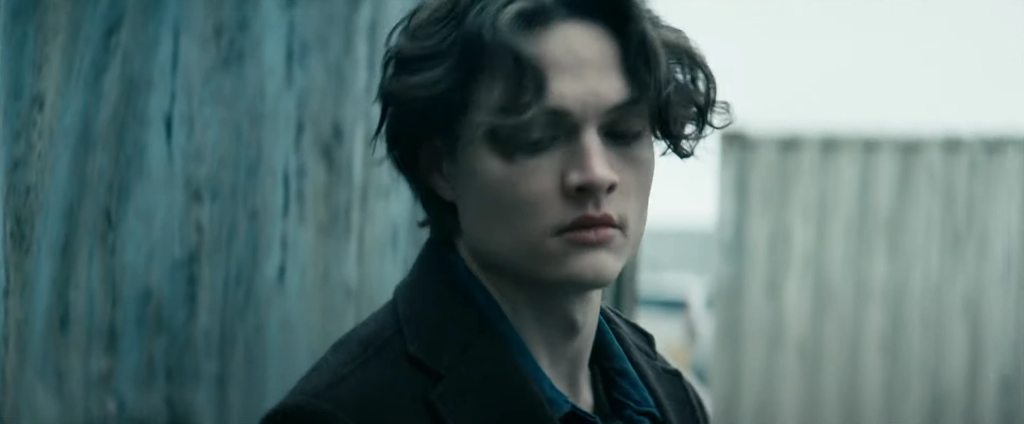
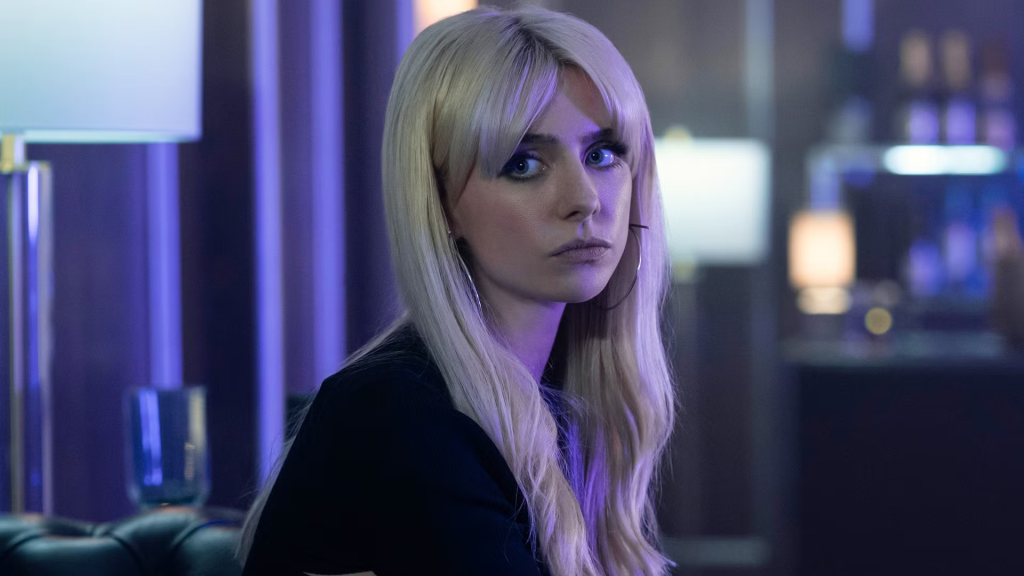
Cate’s role in Season 2 crystallizes the show’s conflict. Positioned between empathy and enforcement, she represents the danger of trust and betrayal through her mind control and the outcome caused by her in the last eqisode of Season1. She suffered from the arm loss, thinned power and marginalized influence; she joined the group after a great amount of confrontmation and compromises. The season does not offer her easy redemption; instead, it presents a more unsettling truth: good intentions do not absolve structural harm in some senses. She was an antagonist, while remaining consciousness and the authentic kindness.
What distinguishes Season 2 is its refusal to offer catharsis. Victories are partial, truths are fragmented, and exposure does not guarantee justice. This narrative choice reinforces the season’s core argument: in systems built on exploitation, awareness alone is insufficient. Growth, here, is not about triumph but about clarity—the painful understanding that adulthood sometimes means choosing between flawed options rather than ideal ones.
Ultimately, Gen V Season 2 is about the end of innocence—not in the loss of hope, but in the loss of illusion. The characters do not become heroes in the traditional sense; they become witnesses, resistors, and survivors. In doing so, the series positions itself as more than a superhero satire. It becomes a coming-of-age story for a generation learning that power without accountability is not a gift, and that responsibility often begins where belief ends.
At the very end of the show, Marie, Annebeth, Jordan, Sam, Cate and Emma partnered with Starlight and A-Train, directing into a more facinating story afterward about the rebel force side that linked the main squad from The Boys with the young supes from Gen V.